
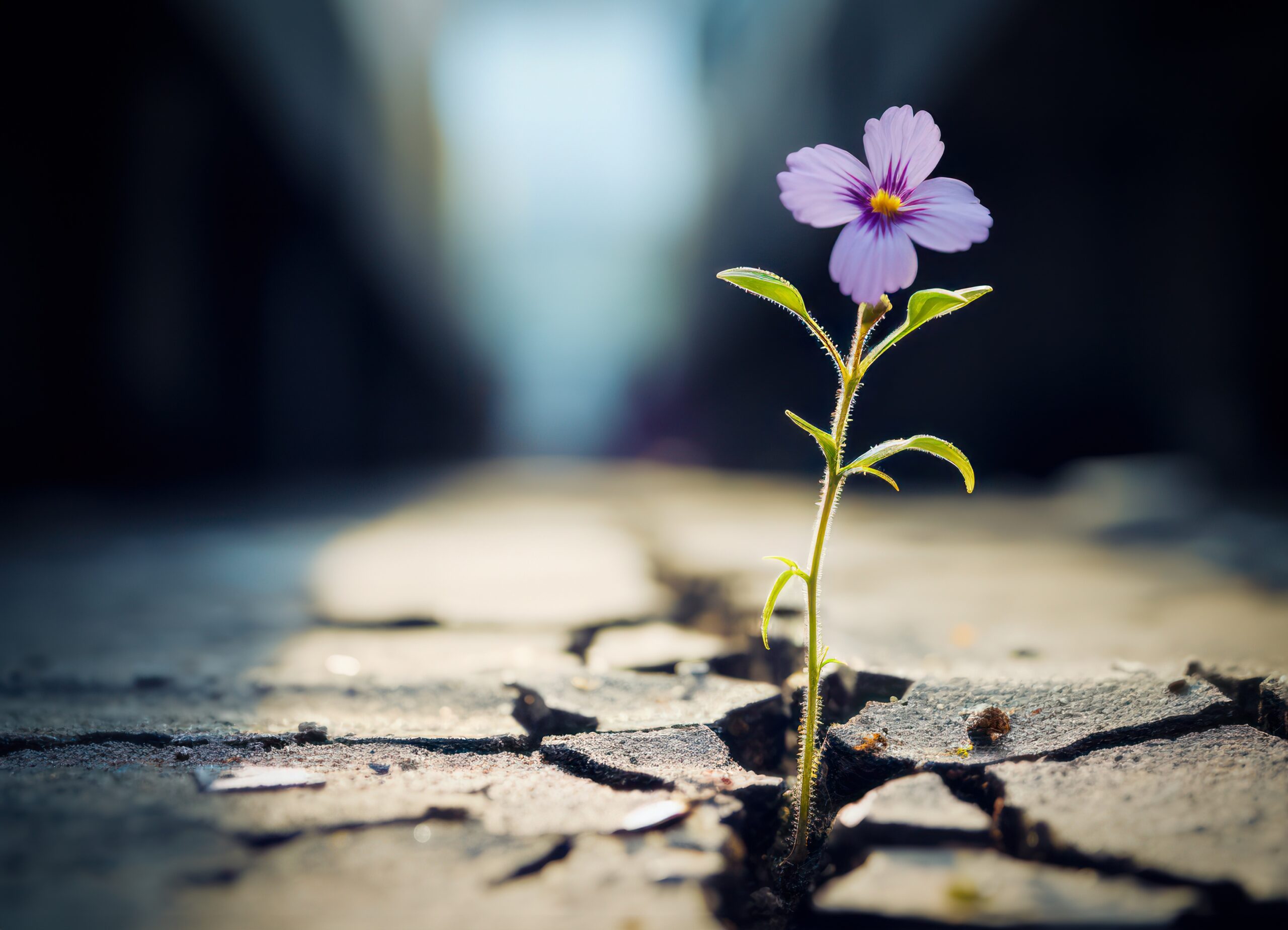
Most people think resilience means toughing it out. Gritting your teeth, pushing through, refusing to fall apart. That definition causes more harm than good, and I see it in my office constantly. Clients apologize for crying. They tell me they “should” be handling things better. They treat their exhaustion as proof they’re weak.
Resilience isn’t the absence of struggle. It’s what happens after the struggle. It’s your capacity to bend without breaking, to recover, to keep functioning even when life keeps handing you more than feels fair.
What Resilience Actually Does for Your Mental Health
Resilience doesn’t prevent hard things from happening. It changes how your nervous system and your mind respond when they do. People with stronger resilience recover faster from setbacks, experience fewer prolonged depressive episodes, and manage anxiety with more flexibility. They still feel the full weight of a hard season. They just don’t stay stuck in it as long.
This matters because mental health isn’t a fixed state you either have or don’t. It’s a relationship between you and your circumstances, and resilience is one of the biggest factors that shapes that relationship over time.
A Quick Example From My Own Life
I’m raising three neurodiverse adult children. I’m also managing autoimmune conditions and perimenopause while running my own practice, alone, after my divorce.
None of that makes me an expert on ease. It makes me an expert on rebuilding, over and over, when the plan I had stops working. Resilience for me doesn’t look like staying calm and unbothered. It looks like naming what’s hard out loud, adjusting my expectations without abandoning my standards, and asking for support instead of proving I don’t need it.
That last part took me years to learn. I don’t recommend taking that long.
How to Actually Build Resilience
Resilience isn’t a personality trait you’re born with or without. Research consistently shows it’s a set of skills you build through practice, and here’s where to start.
Name what’s happening, specifically. Vague distress (“I’m overwhelmed”) keeps you stuck. Specific distress (“I have three deadlines and no childcare this week”) gives you something to problem-solve. Naming the actual problem is the first step toward addressing it.
Separate what you control from what you don’t. You can’t control your child’s diagnosis, your health condition, or your ex’s choices. You can control how you respond today, in this specific moment. Put your energy there.
Build a support system before you need it. Isolation makes every hard thing harder. Resilient people aren’t the ones who handle everything alone. They’re the ones who know who to call and actually call them.
Practice recovery, not just endurance. Rest isn’t a reward for finishing everything. It’s part of how your body and mind repair. If you only rest after collapse, you’re not building resilience. You’re just delaying the collapse.
Track your evidence. Keep a running list, even a mental one, of hard things you’ve already survived. When a new crisis hits, that list reminds you that you have proof you can handle difficulty, because you already have.
Get curious about your patterns. Notice what tends to knock you down and what tends to help you get back up. This isn’t about judgment. It’s data you can use.
Resilience Is Not a Solo Project
If you’re a therapist, a supervisee, or someone doing your own healing work, you already know self-sufficiency isn’t the goal. Resilience grows in connection, not isolation. It grows when you have a therapist, a supervisor, a friend, or a community that reflects back to you what you can’t always see in yourself.
If you’re struggling right now, that doesn’t mean your resilience is broken. It might mean you’re carrying more than one person should carry without support. That’s worth paying attention to, and it’s worth addressing directly rather than pushing through.
You don’t need to be unshakeable. You need the capacity to be shaken and still find your way back. That’s resilience. That’s enough.
Shelby Reardon Logsdon, LMFT
Licensed Psychotherapist