Every September, mental health professionals, survivors, and communities mark Suicide Prevention Awareness Month. As a therapist, I treat this recognition as a chance to say plainly what a lot of people are afraid to say out loud.
The numbers
In 2024, suicide claimed 48,824 lives in the United States, according to provisional CDC data. That works out to an age-adjusted rate of 13.7 deaths per 100,000 people, a slight decline from 14.0 in 2023. The rate among men is nearly four times higher than among women. These are still among the highest numbers on record, even with a small drop.
Behind every one of those deaths is a person who reached a point where the pain outweighed their sense of options. That’s the piece I want people to sit with. Suicide is rarely about wanting to die. It’s about wanting the pain to stop and running out of visible ways to make that happen.
What actually helps
A few things matter more than most people realize:
Ask directly. Asking someone if they’re thinking about suicide does not plant the idea. It opens a door. Most people who are struggling are relieved someone finally asked.
Don’t try to fix it in one conversation. You don’t need the right words. You need to stay present, listen without panicking, and help the person get connected to support.
Know the warning signs. Talking about wanting to die or feeling like a burden, withdrawing from people, giving away possessions, sudden calm after a period of depression, increased substance use, and changes in sleep or eating patterns are all signals worth taking seriously.
Means matter. Reducing access to lethal means, like securing firearms or medications, during a crisis saves lives. This isn’t about taking away someone’s autonomy long term. It’s about creating space between a crisis moment and an irreversible action.
If you’re the one struggling: you don’t have to have a plan or be in immediate danger to reach out for help. Reaching out early, before things escalate, is not an overreaction.
If you’re a therapist or supervisee reading this
Talking about suicide with clients gets easier with practice, not with more comfort. If direct language about suicidal ideation still makes you flinch, that’s normal and it’s worth working through in supervision. Clients read our hesitation. A clinician who can ask about suicide plainly, without alarm, makes it more likely a client will tell the truth.
Resources
If you or someone you know is struggling, these resources are available now:
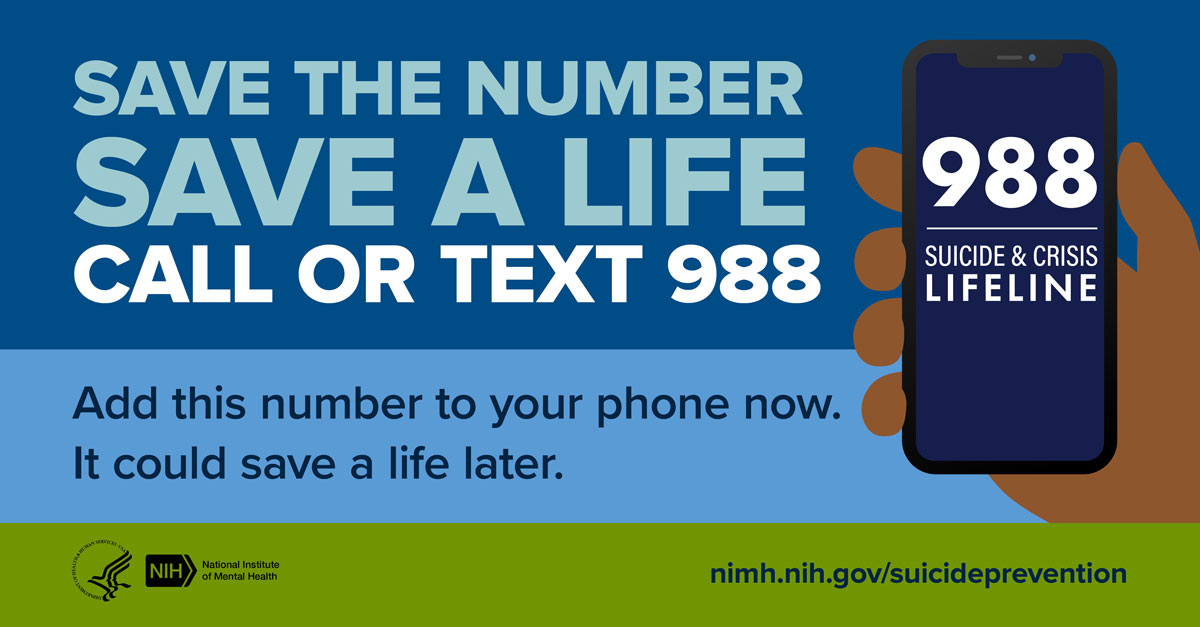
- 988 Suicide & Crisis Lifeline — Call or text 988, available 24/7
- Crisis Text Line — Text HOME to 741741
- The Trevor Project (LGBTQ+ youth) — 1-866-488-7386 or text START to 678-678
- Veterans Crisis Line — Call 988 then press 1, or text 838255
- International Association for Suicide Prevention — findahelpline.com for resources outside the U.S.
If you’re a licensed clinician, your state’s professional association or your malpractice carrier’s consultation line is also a resource when you need a second opinion on a risk assessment.
Shelby Reardon Logsdon, LMFT
Licensed Psychotherapist